
Services

Improvement that sticks

NovaSets helps companies improve performance by combining proven improvement thinking with fresh eyes, real data, and practical execution.

We use 4 Walls Lean, Six Sigma, Theory of Constraints, QuickScans, Money Making Machine analysis, and interviews to identify what really needs to change. But we do not blindly follow textbooks. Every situation is different, so we select the approach that fits the company, the people, and the biggest business constraint.

Process improvement overview
Sustainable change

We improve the system and the way people work inside it

Operational improvement is not only about tools, dashboards, or workshops. It is about creating a shared understanding of the real problem, aligning every level of the organization, and building routines that continue after we leave.

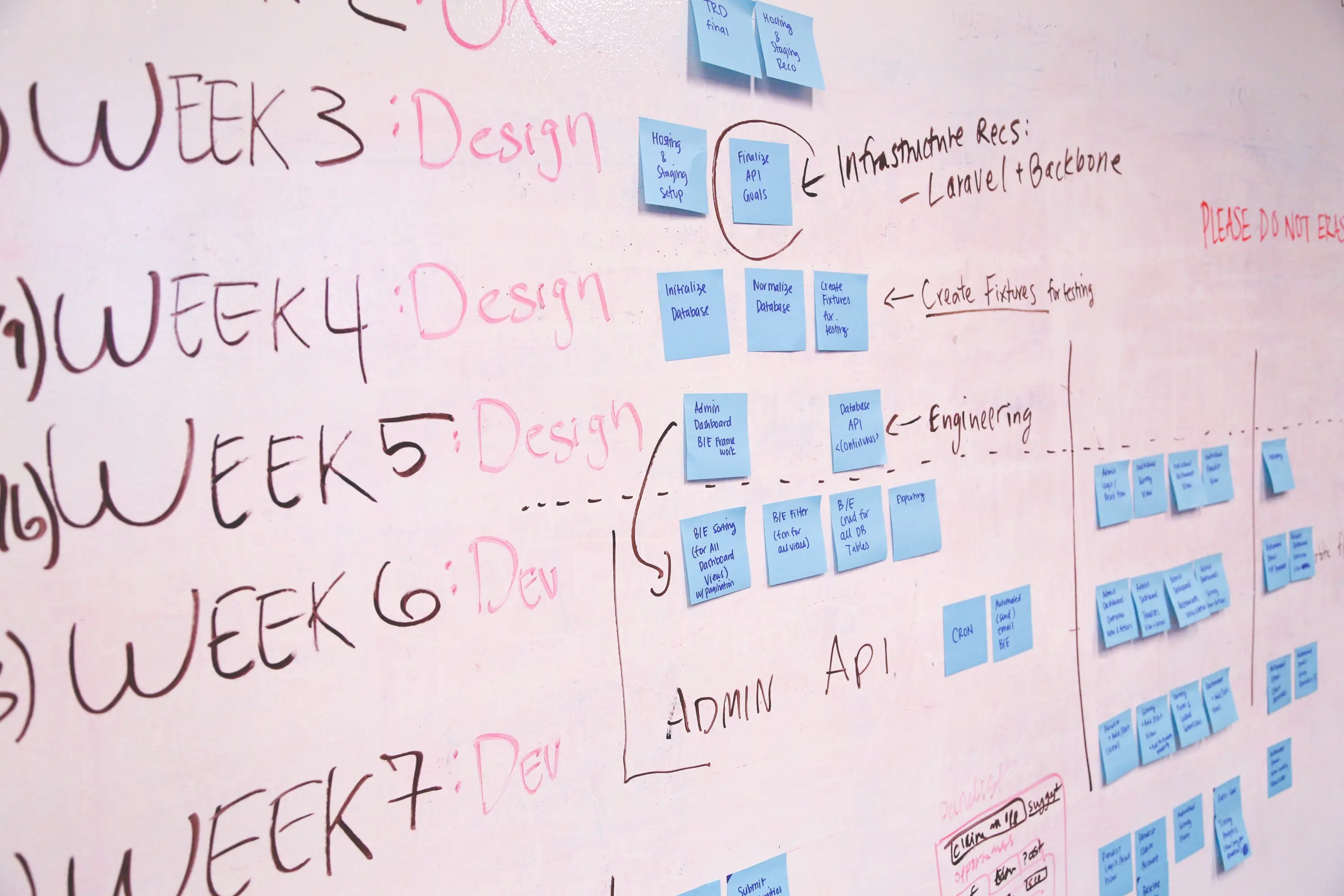
People on the work floor discussing improvements
Shop floor reality

The people doing the work know where the truth is

We keep talking with operators, team leads, planners, technicians, and supervisors because they see the daily friction, exceptions, workarounds, and hidden causes.

Learn more
Management discussion about improvement priorities
Management view

Managers connect local issues to the bigger picture

We also work closely with managers and directors because they understand priorities, trade-offs, capacity, customer impact, financial pressure, and strategic constraints.

Learn more
Impact

The improvement areas we focus on

We look for the few changes that will make the largest difference. Sometimes that starts in production or logistics. Sometimes the real constraint sits in planning, commercial choices, working capital, order complexity, or management routines.

Better flow inside the four walls

Use 4 Walls Lean thinking to improve how work moves through production, logistics, picking, packing, staging, or internal handoffs.

Data-driven problem discovery

Use Six Sigma logic and practical data analysis to separate symptoms from real loss drivers, variation, and recurring process problems.

Focus on the biggest constraint

Use Theory of Constraints thinking to identify the part of the business that blocks more output, profit, cash, or service performance.

Entry points

How we find the right starting point

We do not start every project the same way. The right entry point depends on whether the company needs operational data, financial clarity, or deeper stakeholder understanding.

QuickScan

Measure the real work on the floor

QuickScans use practical activity measurement to show where production or logistics processes lose time, create variation, or absorb unnecessary cost.

Explore QuickScans
QuickScan activity measurement
Money Making Machine

Find where the business loses value

Money Making Machine analysis can reveal improvement opportunities beyond production, including pricing, order complexity, working capital, debt, cash conversion, and value creation.

Explore the Money Making Machine Analysis
Financial performance analysis
Interviews

Understand what people already know

Structured interviews with directors, managers, supervisors, and people on the work floor reveal what data alone cannot: culture, friction, ownership, habits, and hidden blockers.

Book a call
Stakeholder interviews for improvement

Start with the right question

Before changing the process, we first clarify what the company is really trying to improve: flow, cost, output, cash, reliability, service, margin, or execution discipline.

Method

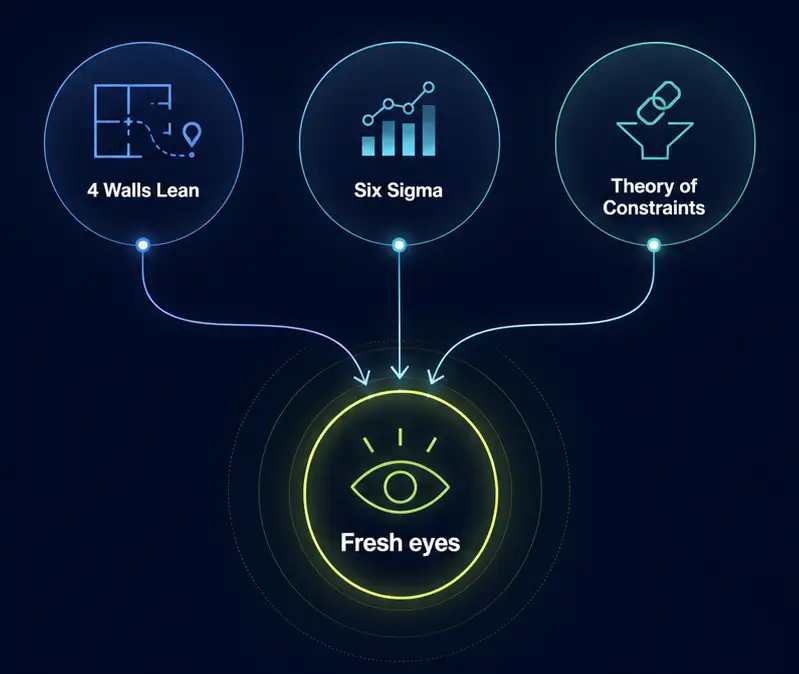
Proven concepts, applied with fresh eyes

We use proven improvement concepts, but we do not force a textbook model onto the organization. We look at the situation as it is, then select the tools, rhythm, and interventions that fit the company.

4 Walls Lean

We observe how work actually moves inside production and logistics areas: waiting, walking, searching, handoffs, rework, batching, changeovers, and flow interruptions.

Six Sigma

We use data to identify problem areas, understand variation, and avoid solving the loudest problem instead of the most important one.

Theory of Constraints

We identify which part of the company is currently the biggest blocker to earning more money, serving customers better, or using capacity effectively.

Fresh eyes

We do not start from assumptions or internal politics. We listen, observe, measure, challenge, and choose the solution that best fits the company.

Improvement framework using Lean, Six Sigma and constraints
Project charter and management alignment
Governance

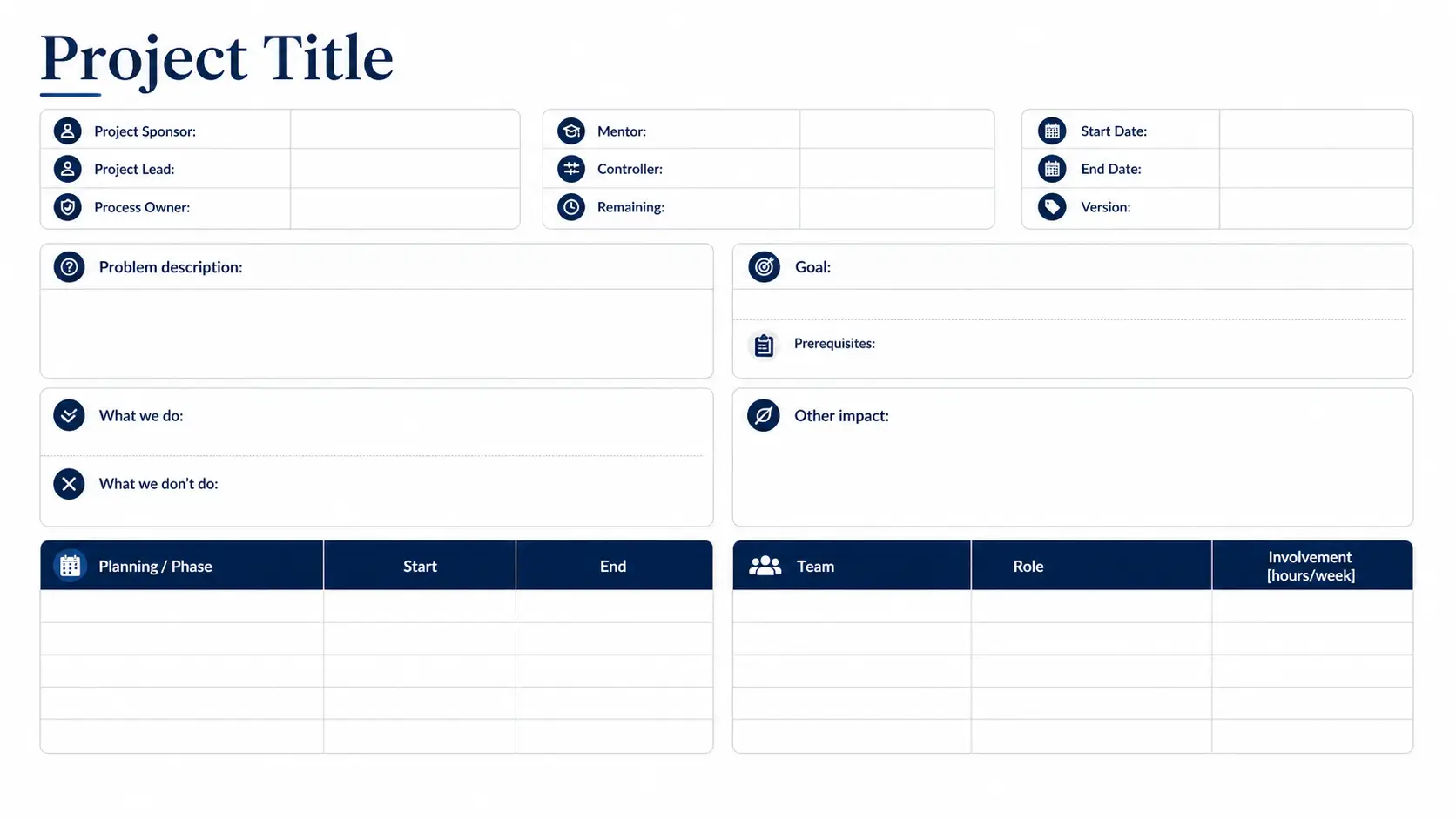
Every project starts with a clear Project Charter

Before execution starts, we define the project charter together: scope, goals, stakeholders, responsibilities, expected outcomes, boundaries, and decision rhythm. The charter is discussed and approved, so there are no surprises. During the project, management receives regular progress updates, while the work itself is executed with your own people wherever possible.

Deliverables

What is created during the engagement

The deliverables are practical, but the real value is ownership. We work with key stakeholders and internal personnel so the improvement becomes part of the company instead of an external consultant report.

Project charter and agreed scope
Charter

Project charter and agreed scope

A clear starting agreement covering the objective, scope, constraints, stakeholders, responsibilities, timeline, and management update rhythm.

Discuss your project
Agreed improvement agenda
Priorities

Agreed improvement agenda

A prioritized set of improvement actions based on observations, data, interviews, financial impact, and the most important business constraint.

Learn more
Sustainment plan and ownership routines
Sustainment

Ownership and sustainment plan

Routines, responsibilities, follow-up moments, management checks, and stakeholder alignment to help the change remain active after the project.

Learn more
What changes

What teams experience

Improvement becomes sustainable when people understand the reason for change and recognize their own role in making it work.

โ˜…โ˜…โ˜…โ˜…โ˜…
The strongest moment in an improvement project is often when operators, managers, and directors finally see the same constraint and agree what should happen next.
NovaSets Improvement principle ยท Services
โ˜…โ˜…โ˜…โ˜…โ˜…
The goal is not to install a method. The goal is to help the organization build the discipline to keep improving when daily pressure returns.
NovaSets Sustainment principle ยท Services
Engagement

Pick the right starting point

You can start with a focused diagnostic, a QuickScan, Money Making Machine analysis, or a broader improvement engagement.

Recommended

Improvement discovery

A focused starting engagement to understand the business constraint, the operational reality, and the people needed to make change sustainable.

  • Clarify the real business objective
  • Select the right entry point: QuickScan, MMM, interviews, or project
  • Define stakeholders from directors to the work floor
  • Prepare a project charter before execution starts
  • Create a practical route to sustainable improvement
Book a discovery call
Custom

Discuss your situation

Every company has a different constraint. In a short call, we help determine whether the best start is measurement, financial analysis, interviews, or a full improvement project.

Talk to NovaSets

Ready to start an improvement project?

Book a short conversation. We will help identify the right starting point, the people who need to be involved, and the first project charter outline.

Prefer a direct conversation? Book a call and we will guide you through the options.
Start an improvement project